
Solid wood furniture is built to last for generations, and a little routine care keeps it looking the way it did on delivery day. These quick tips from our Edwardsville showroom team cover cleaning, protecting finishes, handling seasonal changes and keeping tables in top shape.
Cleaning and dusting
Why Regular Dusting is Crucial for Wood Furniture
Dust particles are tiny but abrasive, and over time, they can scratch the surface of your wood furniture. Use a soft microfiber cloth or lintfree duster to gently remove dust weekly, following the wood grain to avoid scratches. Avoid feather dusters, which can push dust into crevices and potentially scratch the surface. Regular dusting preserves the finish and keeps your furniture looking polished.
How to Clean Wood Furniture Without Damaging the Finish
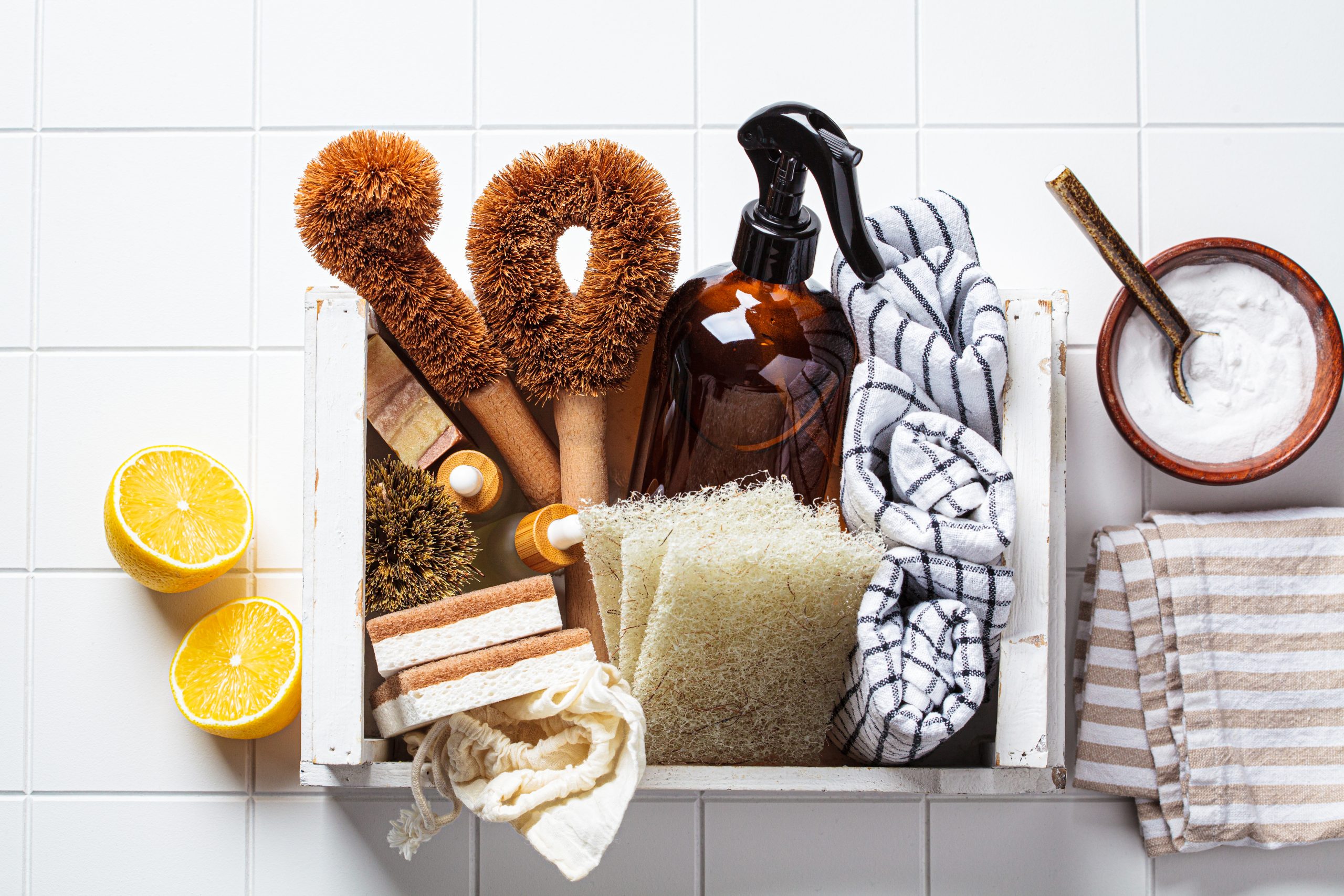
Maintaining the natural beauty of wood furniture requires gentle cleaning. Use a soft, lintfree cloth dampened with warm water, wiping in the direction of the wood grain. Avoid harsh products like wax, ammonia, and silicone, which can damage or dull the finish. For an added shine, consider using a quality hardwood cleaner, such as Lemon Oil, Orange Oil, Scott’s Wood Polish, or Old English. Regular cleaning helps prevent dust and dirt buildup. Following these furniture care tips will keep your furniture in top condition for years.
Cleaning Upholstered Furniture the Right Way
Fabric furniture requires special care. Vacuum upholstered surfaces regularly to remove dust and allergens. For spills, blot the area immediately with a clean cloth—never scrub, as this can damage fibers and spread the stain. For deeper cleaning, follow the manufacturer’s care instructions or consider using a fabric-safe cleaner or hiring a professional.
Caring for Metal and Glass Components in Furniture
Metal and glass accents add a modern touch to furniture but require special care to maintain their appearance. Clean metal surfaces with a damp cloth and dry immediately to prevent rust or watermarks. Use a nonabrasive glass cleaner on glass components, wiping with a lintfree cloth to remove smudges and fingerprints.
Avoid using abrasive cleaners, which can scratch both metal and glass surfaces. Protect these materials by avoiding direct contact with sharp or heavy objects. Regular care ensures metal and glass elements stay fresh and seamlessly complement your furniture’s design.
Protecting against sun, heat and humidity
Tips for Protecting Furniture from UV Damage
Direct sunlight can fade or dry out furniture over time. Position your pieces away from windows or use UV-blocking window treatments like blinds or curtains. For furniture exposed to sunlight, rotate it occasionally to ensure even fading. These simple precautions extend the life of your wood’s color and texture, preserving its beauty for years to come.
How to Prevent Heat and Moisture Damage
Heat and moisture can leave permanent marks on wood surfaces. Avoid placing hot items directly on your furniture; instead, use trivets or placemats. Moisture from dishes or cups can also leave rings—use coasters to prevent this. Clean up spills immediately with a soft, dry cloth to prevent water from soaking into the wood and causing stains or damage.
The Role of Humidity in Wood Furniture Care
Wood reacts to changes in humidity. High humidity causes expansion, while low humidity can lead to contraction, causing gaps, warping, or even cracking. Maintain indoor humidity between 40% and 45% to minimize this natural movement. In dry seasons, a humidifier helps maintain balance, while in humid seasons, an air conditioner or dehumidifier is effective. Stable humidity ensures your furniture retains its shape and structure.
Preventing Gaps and Warping in Wood Tables
Wood tables are naturally susceptible to movement caused by humidity changes. To prevent gaps or warping, maintain a consistent indoor humidity level between 40% and 45%. Use a humidifier in winter and a dehumidifier or air conditioning in summer to stabilize the environment.
Avoid placing tables in direct sunlight or near heat sources, as these conditions can exacerbate movement. Regular cleaning and using coasters or placemats can protect the wood from additional damage. Proper humidity control and careful placement ensure your table maintains its shape and stability for years.
Seasonal Care for Your Furniture: Winter Edition
Winter brings dry air, which can stress wood furniture. Avoid placing furniture close to heat sources like vents or space heaters, which dry out wood faster. Use a humidifier to balance indoor humidity, and consider applying Lemon Oil to nourish the wood and prevent it from drying out. These steps protect your furniture from seasonal shifts, keeping it beautiful and resilient all year.
Finishes, wax and oil
Maintaining the Beauty of Catalyzed Varnish Finishes
Catalyzed varnish is a durable finish but still needs proper care. Avoid paper towels, which can scratch the surface, and instead use a soft cloth. For the first 30 days, handle with extra care while the varnish continues curing. After this period, maintain a humidity level between 40% and 45% to prevent wood movement, which can cause unsightly gaps. A thoughtful care routine preserves the varnish’s shine and protects against everyday wear.
The Dos and Don’ts of Using Protective Wax
Wax can give wood furniture a beautiful shine, but it’s not always necessary. Do use wax only if recommended by the manufacturer and only on finishes compatible with it, such as oil finishes. Apply a thin coat with a soft cloth, buffing gently in the direction of the grain.
Don’t use wax on catalyzed varnish finishes, as it can cause buildup and interfere with future refinishing. Overuse of wax can also lead to a sticky residue, so limit application to once or twice a year. For most furniture, a simple polish is a safer and more effective alternative.
Using Lemon Oil to Revive Dry Wood
Lemon Oil is a versatile and effective solution for dry wood furniture. Apply a small amount to a soft cloth and gently rub it along the wood grain. This nourishes the wood, prevents cracking, and enhances its natural shine.
Buff the surface with a dry cloth to remove excess oil and achieve a smooth finish. Use Lemon Oil every few months, especially in dry conditions, to keep your furniture hydrated and looking fresh. This simple routine adds a touch of elegance and longevity to your wooden pieces.
Restoring Shine to Dull Wood Finishes
If your wood furniture has lost its shine, a gentle polish can restore its luster. Start by cleaning the surface with a soft cloth and warm water to remove dust and grime. Always dry the surface immediately to avoid moisture damage. Apply a nonabrasive, furniture safe polish using a soft cloth, rubbing in circular motions.
Avoid using excessive product, as buildup can leave the surface sticky and attract dust. Polishing once or twice a year is sufficient for most pieces. For deeper dullness, consider using a wood revitalizer or consulting a professional refinisher. By restoring the shine, your furniture will look as good as new, enhancing the beauty of your home.
Addressing Common Scratches and Scuffs
Scratches happen, even with the best care. For light scratches, use Lemon Oil and a soft cloth to gently buff them out. For deeper scratches, try a stain stick that matches the wood tone. Another effective option is applying RestoraFinish or a similar product, following the instructions carefully. Filler sticks can repair significant scratches by filling in damaged areas, followed by blending the color. For deeper damage, consulting a professional refinisher is the best solution.
Tables, moves and everyday wear
How to Extend the Life of Dining Tables
Dining tables endure daily wear and tear, but simple precautions can keep them looking beautiful. Use tablecloths and placemats to reduce contact with food, drinks, and utensils that could cause scratches or stains. Wipe the table after each use with a damp cloth to remove residue and prevent buildup. Always use coasters for hot dishes to protect the surface. These small habits go a long way in preserving your dining table.
Managing Table Leaves for a Perfect Fit
Proper care of table leaves ensures they fit perfectly when needed. Store leaves flat in a stable, climate-controlled environment, ideally in the same room as the table. This keeps them acclimated to the same humidity and temperature conditions.
Before use, wipe leaves clean with a soft cloth to remove dust. Allow stored leaves to adjust to the room’s environment for a few days to prevent fit issues. Regularly inspect the table’s locking mechanisms and seams to ensure everything aligns smoothly. With proper storage and maintenance, your table leaves will always fit seamlessly.
Protecting Your Floors with Felt Pads
Furniture legs can cause floor scratches, especially if you frequently move chairs. Apply felt pads to the bottom of each leg to protect against these marks. Heavyduty felt pads are ideal for durability, and you’ll need to check them regularly and replace them as they wear out. Felt pads not only shield your floors but also help furniture glide smoothly, preventing sudden jerks that could damage both floors and legs. Alternatively, consider “bootie” style protectors, such as Ruby Sliders, designed to slip over chair legs and prevent damage to floors.
The Best Way to Protect Furniture During Moves
Moving furniture can be stressful, but proper preparation can prevent damage. Wrap each piece in protective blankets or bubble wrap, securing them with straps or tape. For wood surfaces, avoid placing tape directly on the furniture to prevent residue or finish damage.
Disassemble large items like beds or tables, and store screws and hardware in labeled bags for easy reassembly. Use padding between furniture and moving equipment, and always lift furniture rather than dragging it to avoid stress on joints. Taking these steps ensures your furniture arrives in pristine condition.
Heirloom and handcrafted pieces
Cherry Wood: Understanding Its Unique Aging Process
Cherry wood darkens over time, adding to its charm and beauty. Items left on the surface during the first month of use may cause uneven darkening. To avoid this, avoid leaving placemats or other objects in one spot for extended periods. If you store table leaves separately, they may darken more slowly than the rest of the table. Over time, the color evens out, showcasing cherry wood’s distinctive appeal.
Why Handcrafted Furniture Requires Special Care
Handcrafted furniture, like Amishmade pieces, is an investment in quality and artistry. These unique pieces require thoughtful maintenance. Regular dusting with a soft cloth prevents scratches, while avoiding harsh chemicals protects the finish.
Maintaining a consistent humidity level between 40% and 45% prevents wood movement that can lead to cracks or warping. Handcrafted furniture develops character over time, and with proper care, it remains a timeless treasure for generations to come.